Timed deal flow
How Deal Clock helps reduce marketplace ghosting
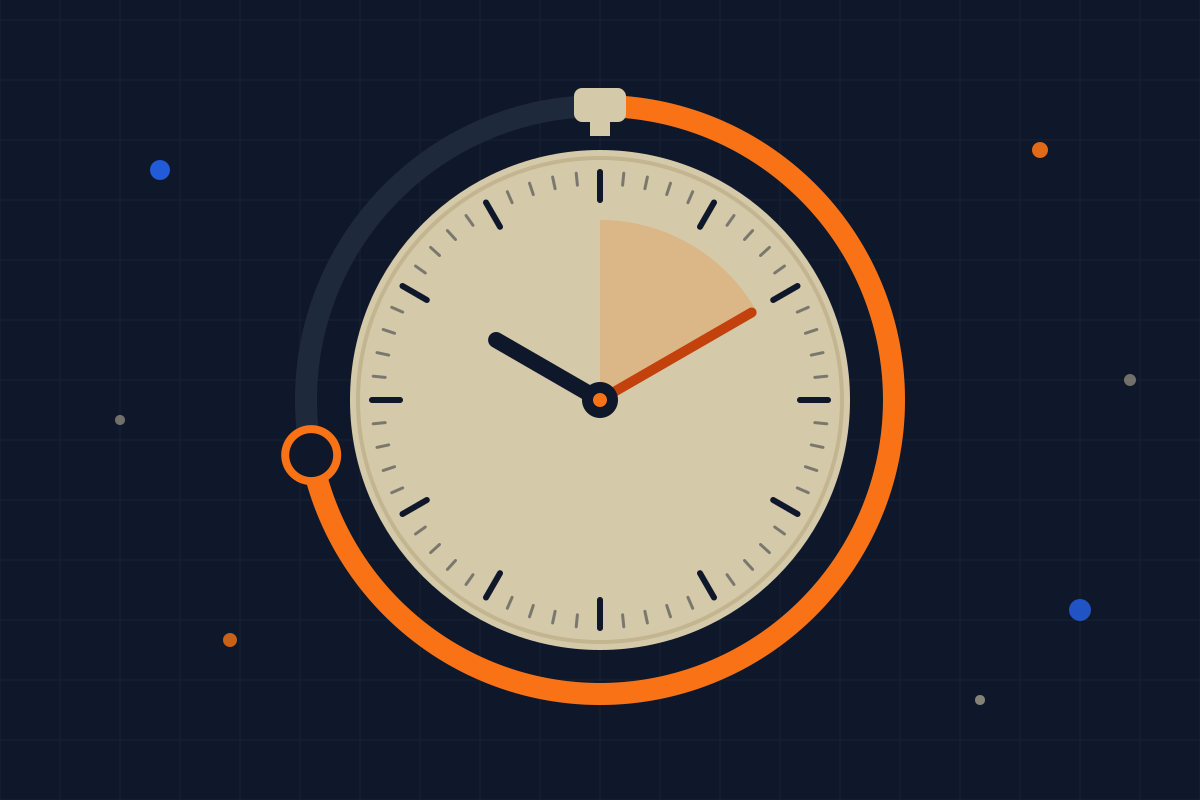
Deal Clock gives whoever owes the next move a clear response window so promising deals do not stay stuck forever.
- Timed responses
- Less ghosting
- Clear next step
Why local deals stall
A buyer may love an item, ask a question, and then disappear. A seller may hold the item too long because they are waiting for a reply that never comes.
That uncertainty is one of the biggest frustrations in local selling. Deal Clock is designed to make the active window visible.
What Deal Clock changes
Deal Clock puts the clock on whoever owes the next step. Love and En-Route are the buyer’s clock, Chat flips with each message, and Commit waits on the seller. The window is 2 hours by default, and a seller can extend it in My Hub. Instead of an open-ended message thread, both sides can see who needs to act.
This helps sellers avoid holding a listing indefinitely and helps buyers understand when they need to respond.
How sellers should use it
Sellers should respond clearly, keep pickup expectations simple, and let inactive deals reset when the window passes.
The goal is not to pressure people. The goal is to keep serious deals visible and stale deals from blocking the next buyer.
How quickly you respond builds your DC-Score, which shows on your ads. Every clock counts, whether you met it or let it run out.
How buyers benefit
Buyers get a clearer path from interest to commitment. If they are ready, they know what to do next. If they are not ready, the seller can move on without confusion.
Quick checklist
- Reply clearly inside the active window
- Commit only when ready
- Do not hold items indefinitely
- Use chat for pickup questions
- Let inactive deals reset
Common questions
Does Deal Clock force a buyer to purchase?
No. Deal Clock organizes timing and next steps, but buyers and sellers still choose whether to continue.
Why is timing useful in local selling?
A visible response window helps sellers avoid stale holds and helps buyers understand when action is needed.